17 Must-Plant Vegetables and Flowers in March for a Thriving Garden

As the chill of winter begins to wane, the promise of spring ushers in a new era of gardening opportunities. Whether you’re a seasoned green thumb or embarking on your first horticultural venture, the time to plan and plant your garden is now. This comprehensive guide will navigate you through an array of vegetables to cultivate, ensuring your garden bursts into a mosaic of color, flavor, and life. From the earthy depths of root vegetables to the towering grace of sunflowers, let’s sow the seeds of your most flourishing garden yet.
Rooted in Tradition: The Quintessential Vegetables
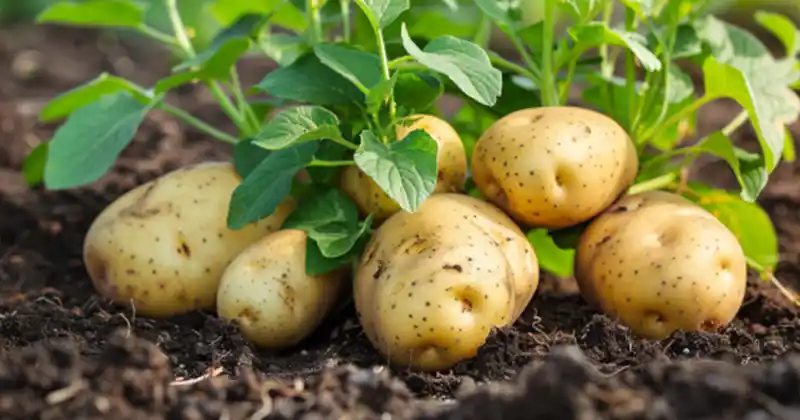
Potatoes and Sweet Potatoes: These tubers, each unique in its family, are staples in gardens worldwide. Versatile and hearty, potatoes can thrive in various environments, from in-ground beds to containers. Sweet potatoes, with their sprawling vines, prefer spacious plots or large containers to accommodate their growth.
Carrots, Beets, Parsnips, and Radishes: The underground jewels of the garden, these root vegetables are not only cold-hardy but can also be cultivated through the summer heat. Early spring offers the perfect timing for planting, promising a bounty of crisp, vibrant veggies. From the sweet, earthy flavor of beets to the peppery bite of radishes, your garden will be a treasure trove of subterranean delights.
Leafy Greens and Brassicas: Lettuce, Chard, and the Brassica Family
Lettuce: With varieties ranging from leaf to head, lettuce is a fast-grower, ready to harvest in less than a month. Its versatility makes it an ideal candidate for interspersing among slower-growing plants, maximizing your garden’s yield.
Chard: A visual and culinary marvel, chard offers edible leaves and stems that can withstand both cold snaps and summer heat. A couple of plants will suffice due to its substantial size.
Brassicas: This robust family, including broccoli, cauliflower, kale, and cabbage, is known for its resilience against the cold. These long growers are perfect for interplanting, allowing you to utilize space efficiently by surrounding them with quicker-harvest crops.
The Climbers and Crawlers: Beans, Squashes, and Tomatoes
Beans: Whether you opt for bush or runner types, beans are prolific producers. They can adapt to various spaces, with runners requiring a trellis and bush varieties suitable for containers.
Summer Squash and Zucchini: These are among the easiest and most rewarding vegetables to grow, yielding an abundant harvest. Implementing a trap crop like blue hubbard squash can protect them from pests, ensuring a healthy yield.
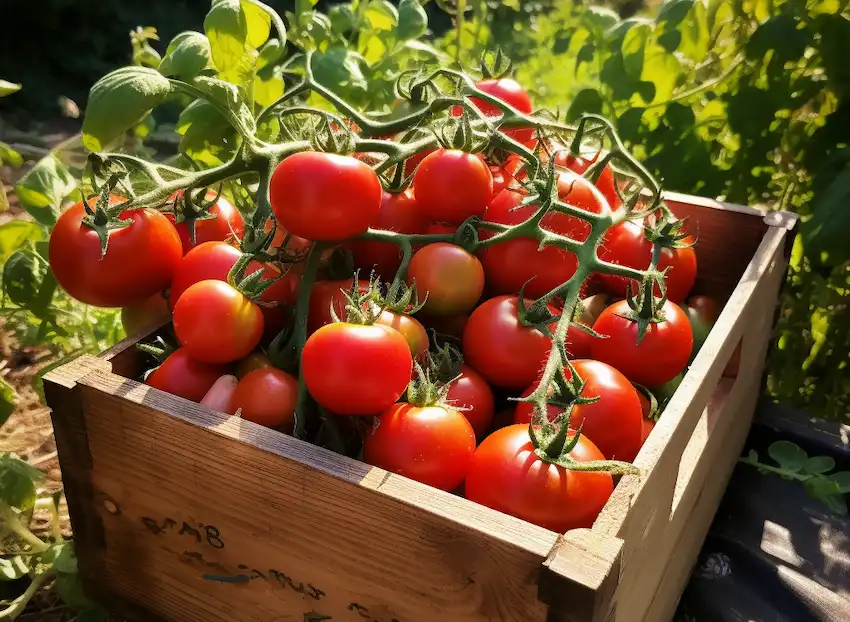
Tomatoes: The crown jewels of the garden, tomatoes offer unmatched flavor. With countless varieties to choose from, they cater to every gardener’s preference and are a must-have in any plot.
Flourishing Flora: Sunflowers and Companion Plants
Sunflowers: Elevate your garden with the towering beauty of sunflowers. From the striking ‘Mongolian Giant’ to the branching ‘Lemon Queen’, sunflowers not only captivate with their beauty but also attract pollinators and beneficial insects.
Marigolds and Nasturtiums: Beyond their aesthetic appeal, these flowers are garden workhorses. Marigolds deter pests with their scent and protect against nematodes, while nasturtiums, acting as trap crops, lure pests away from your edibles.
Culinary Herbs: Basil and Dill
No garden is complete without herbs. Basil, particularly slow-bolting varieties like ‘Everleaf Emerald Towers’, is indispensable for its culinary versatility. Dill, aside from its kitchen uses, attracts beneficial insects and serves as a host plant for butterfly larvae.

Exotic Additions: Turmeric and Ginger
For those seeking a dash of the exotic, turmeric and ginger are intriguing choices. Although they require a long, warm growing season, these tropical plants can be started indoors in cooler climates and transplanted into containers or garden beds once the weather warms.
Embrace the Spring
As you delve into the garden this spring, armed with seeds, soil, and a sprinkle of optimism, remember that each plant you nurture is a step towards a greener, more sustainable world. Whether it’s the humble potato or the majestic sunflower, each has a role in the tapestry of your garden. So, don your gardening gloves, and let’s cultivate a season of growth, bounty, and beauty. Happy gardening!
Materials Needed
- Ripe Tomato: Choose a healthy, mature tomato. Heirloom varieties are ideal as they’re open-pollinated and more likely to produce plants similar to the parent.
- Seed Starting Soil: A nutrient-rich, well-draining soil designed for seed germination.
- Containers: Small cups, Tupperware containers, or any other creative receptacles you have on hand. Ensure they have drainage holes.
- Lid or Plastic Wrap: To maintain moisture and warmth, aiding germination.
- Water: For keeping the soil moist.
Step-by-Step Guide
Step 1: Slice Your Tomato
Cut your chosen tomato into 1/4-inch thick slices. Each slice contains numerous seeds, ready to begin their germination journey.
Step 2: Prepare Your Containers
Fill your containers with seed starting soil, leaving about an inch of space at the top. The soil should be moist but not waterlogged.
Step 3: Plant Your Slices
Place one tomato slice on top of the soil in each container. You can gently press down on the slice to ensure contact with the soil but avoid burying it deep.
Step 4: Cover with Soil
Sprinkle a thin layer of seed starting soil over each tomato slice, just enough to cover it. The goal is to ensure the seeds are in darkness, which aids germination.
Step 5: Create a Mini Greenhouse
Cover each container with its lid or plastic wrap. This setup maintains a humid environment that’s crucial for germination. Place your containers in a warm spot, but away from direct sunlight.
Step 6: Monitor and Uncover
Check your containers daily for signs of germination, which typically occurs within 5-14 days. As soon as you notice sprouts, remove the lid or plastic wrap to expose them to air and light.
Step 7: Let Them Grow
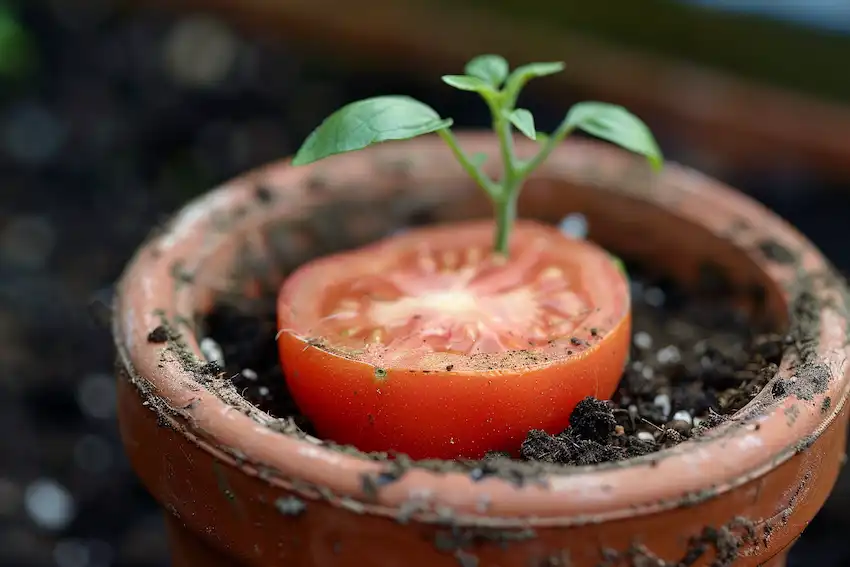
Continue to keep the soil moist and provide your sprouting tomato plants with plenty of indirect sunlight. Once they’ve grown sturdy and the risk of frost has passed, they’re ready to be transplanted outdoors or into larger pots.
Why It Works
Tomato seeds are encased in a gel-like sac containing growth inhibitors that prevent the seeds from sprouting inside the tomato. Planting the slices in soil bypasses this mechanism, as the soil microbes break down the sac and activate the seeds.
Tips for Success
- Choose the Right Tomato: Opt for organically grown tomatoes to avoid potential issues with germination.
- Patience is Key: While some seeds may germinate quickly, others might take a bit longer. Keep the soil moist and be patient.
- Transplant Carefully: When your seedlings are ready to move, handle them gently to avoid damaging the tender stems and roots.


Comments
Post a Comment